
Why do we do things the right way when it comes to waste? A whole list of reasons probably comes to mind – to make our surrounding areas clean and pleasant; to take care of the environment; to keep people and our communities healthy, the list goes on.
Did you know that choosing the right waste processing options can also help you put the best foot forward for your business? Research has shown that customers prefer to do business with companies that share their values, and sustainability ranks high on the list of values that clients and consumers keep top-of-mind.
We’ve put together a list of a few ways proper waste processing can benefit your business as well as being more sustainable for the environment.
1. Meet local ordinances/guidelines
Several states and major metropolitan areas have made their guidelines on food and organic waste more stringent.
In California, for example, businesses are required to separate their green waste for composting. In Austin, guidelines focus on a goal of increasing the percentage of waste diverted from landfills.
When you’re managing operations for an organization, keeping up with the latest waste ordinances is probably not at the top of your very long list of responsibilities. It’s valuable to your business but it takes a back burner to pressing daily issues that arise while you’re serving your customer base.
However, when you work with a waste disposal company that is familiar with the local community, you have a trusted partner who can guide your company and stay up to date on the latest trends, issues and requirements in your area.
2. Qualify for certifications.
When you’re building a new location, proper waste processing routines can increase the likelihood that you’ll be able to secure certifications when your project is finished.
For example, LEED-certified apartment buildings are able to fetch 9 percent higher rent on average. LEED-certified office buildings also earn premium rates and maintain higher occupancy levels.
Securing these certifications starts when the building process starts, as you make critical decisions regarding your materials, your deconstruction processes and your waste disposal. You need a knowledgeable waste processing partner working alongside you throughout the process to ensure you maximize diversion and capture every possible benefit for your building/project.
3. Preserve natural resources.
When companies re-use resources, the impact can be multi-fold.
For example, when a company recycles concrete from demolition on their site, they reduce the amount of concrete going into the landfill. At the same time, they also increase the amount of recycled concrete available for other uses, like pea gravel or aggregate.
This, in turn, reduces the need to mine for additional materials and preserves more of our natural resources. With the vast majority of waste in the U.S. coming from construction and demolition, these strategic choices can make a big difference in our landfill and natural resource use over time.
The same goes for the re-use of other resources, including organic materials. Green waste, like brush/landscape waste and food waste, can be composted to stay out of landfills and to provide nourishment for soil and plants. You can then use similar compost on your business property or building site to keep your plants healthy and to prevent erosion.
The benefits to your business? Re-use can lower costs that you might otherwise experience if you’re purchasing all new resources for your project. On the organic side, adding compost to your soil increases water permeability and reduces the potential for erosion, which can protect the value of your property over time.
4. Build a more resilient supply chain
We all learned from COVID – supply chain issues can wreak havoc on businesses. According to MIT researchers, “some businesses might have had different outcomes in the pandemic if they had better planning in place.”
Companies who have done extensive review while selecting their vendors have a better understanding of their options and can be more agile when facing unexpected issues. Supply chains that include national or multi-national vendors require more strategy to navigate when a crisis arises, and they can often be less responsive to individual companies’ needs.
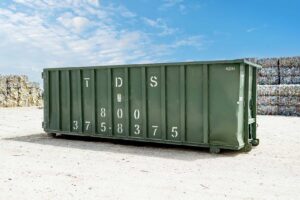
On the flip side, providers with a local presence understand what their clients are experiencing and have the local resources to shift and flex when needed to support their clients and communities. For example, when natural disasters occur, like the devastation Hurricane Harvey wreaked on South Texas, having local resources available meant TDS could jump in immediately to provide roll-off dumpsters; site services like portable hygiene stations; and generators needed for emergency relief.
5. Provide Expert Advice
Good waste processing makes running your business and managing operations smoother and easier. At the same time, many of our clients mention the value they gain from their relationship with our team members.
On the client side, they have specific responsibilities and key knowledge sets. They call on our team to provide guidance in our own areas of expertise, to keep them moving forward and improving their business. For example, with local special event venues, our partners specifically cite the useful guidance we’ve provided on waste processing as a value-add for the team. We’ve been able to advise on good choices for more sustainable concession packaging; develop on-site programs to increase diversion; and make it easier to do good, sustainable, impactful work at each and every event.
If you’re leading a team – whether it’s for a construction project, as an operations/facilities leader, or managing critical logistics and business continuity – your partnerships can make or break your potential for success. If you’re looking for a partner that can provide you with thoughtful, practical support for waste processing, sustainability and environmental impact, learn more about TDS and how we can support you.