
Earth Day is in the Bag – Disposing of Plastic and Paper Bags
Here at TDS, we get a lot of questions from people about whether or not they can recycle certain types of bags. With all of the different types of bags out there, it’s not surprising that people can get confused. This is why recycling education is so important and why we created this guide. Read on to learn if your paper or plastic bag is recyclable.
Are Paper Bags Recyclable?
Paper bags are generally recyclable as long as they’re free of contaminants such as grease, food residue, or ink. In fact, many paper bags already contain recycled material. The EPA estimates that around 37% of the raw material used to make new paper products in the US comes from recycled sources.
However, not all paper bags are recyclable. Let’s take a look at the most common types of paper bags and their recycling eligibility:
Brown paper bags – Recyclable if free of contaminants.

Food delivery and takeout bags – Recyclable if free of contaminants.
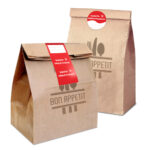
Paper shopping bags – May be recyclable; check with your local waste disposal company.

Bakery bags – These bags are lined with wax or plastic and are not recyclable.

Gift bags – May be recyclable; check with your local waste disposal company.
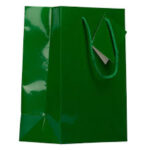
Recycled paper bags should be clean, dry and only have handles made of paper. Handles made from another material, such as plastic, string or ribbon, should be removed. Contact your local recycling provider if you’re unsure if you can recycle a certain type of paper bag.
Are Plastic Bags Recyclable?
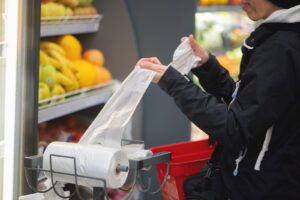
Plastic bags may be recyclable, but special guidelines often apply. Here’s a list of the most common types of bags that are all recyclable but not permitted in curbside pickup.:
Single-use plastic bags

Reusable plastic bags

Ziploc bags
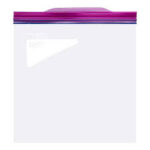
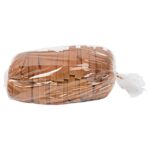
Bread and food bags
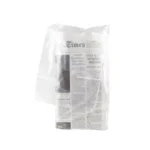
Newspaper bags
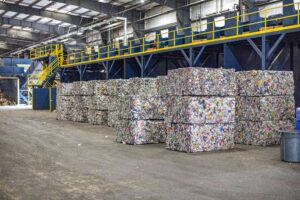
In general, you shouldn’t put any type of plastic bag into your recycling bin for curbside pickup. The thin, flexible plastic of these bags can cause major problems at recycling centers. Many recycling facilities, including the TDS Materials Recovery Facility use single-stream recycling, which means that all recyclables go into the same bin and get sorted either manually or by complex machines at the facility. These machines can’t efficiently sort plastic bags and bags can even get tangled in the machines, causing the operation to stop so the plastic bags can be cut free.
While plastic bags can’t be placed in your household recycling cart, there are other options. Some retailers have partnered with organizations such as How2Recycle that offer in-store plastic bag recycling drop-off bins. Over 18,000 stores accept plastic bags for recycling in the U.S. Find a location near you by visiting this store locator.
Reusable Bags are the Most Sustainable Option
Recycling technology has come a long way. Before plastic bag recycling was widely available, you had no choice but to throw plastic bags away with the rest of your household trash, contributing huge amounts of non-biodegradable waste to landfills. Now, more paper and plastic products are being repurposed than ever before. For example, a recycled single-use plastic bag may be transformed into synthetic lumber used to make a park bench!
These new innovations have expanded our society’s recycling capabilities, but everyone should still strive to get the most life out of their disposable bags as possible – or even better yet, make the switch to reusable bags.
Reusable bags are strong, washable, and reliable. They also help cut back our reliance on single-use bags, thus saving on the amount of energy necessary to create non-reusable variants and the air, water and land pollution attributed to them. Make the switch easier on yourself by storing reusable bags in convenient locations like the car, your purse or the garage so you don’t forget them the next time you leave the house.
To learn more about recycling and sustainability, visit our blog.