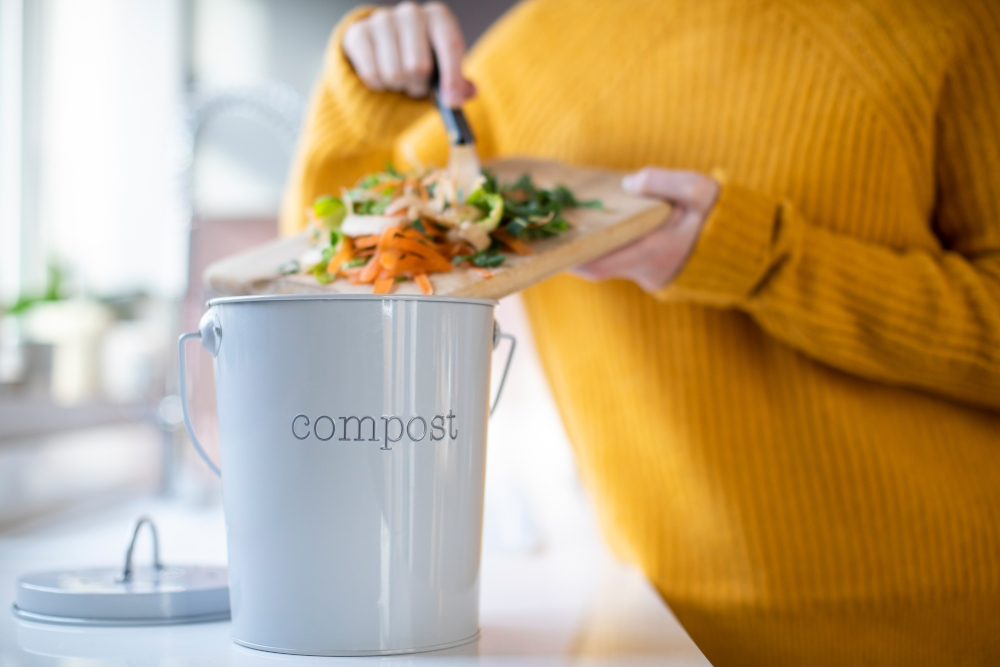
Compost Processing For Communities, Companies, and Organizations
Texas Disposal Systems » Processing » Composting
Composting and Organics
Texas Disposal Systems provides compost programs to meet the individual needs of each organization we partner with. There is no other company like ours when it comes to recycling or reusing items. With large-scale on-site composting facilities, we find ways to give new life to discarded materials through our composting operations.
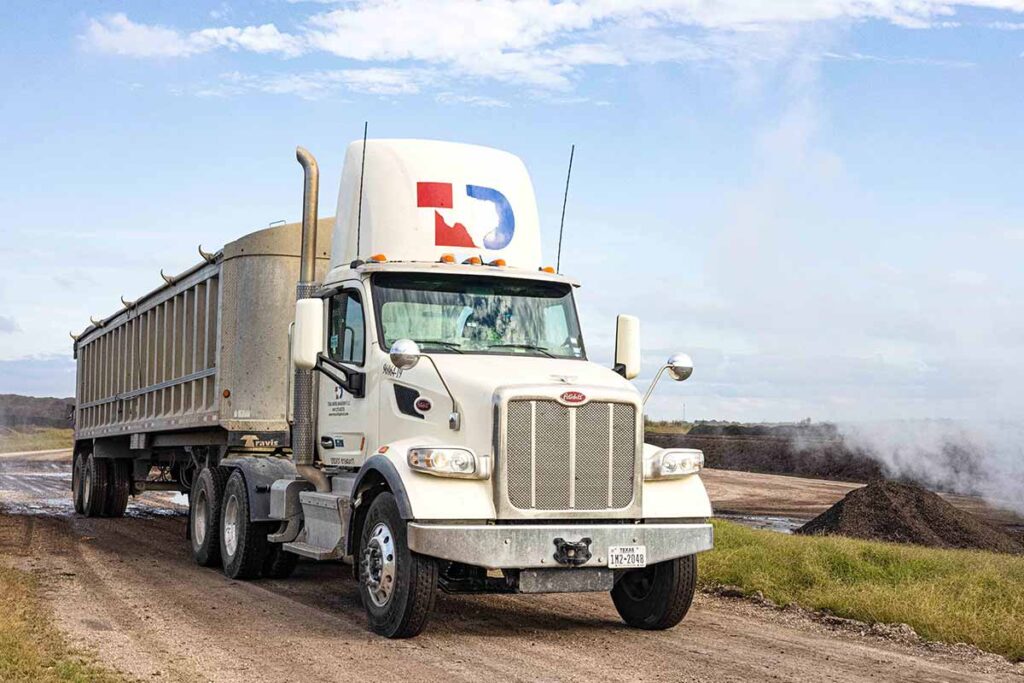
By reducing and reusing waste products, TDS is refusing to let our environment go to waste. We also provide the necessary infrastructure to allow our partners to cut down on their carbon footprint as well. Once organic materials such as brush, biosolids and discarded food are transported to our composting facility, we turn it into compost, which then can be used in soil and other products.
Why Compost?
According to the EPA, up to 40 percent of all items in municipal solid waste landfills are organic materials, such as food waste, yard trimmings, and brush – all items that can easily be reused or recycled in compost.
We believe that large-scale on-site composting is critical to diverting waste from the landfill. It creates minimal environmental footprints, reduces the amount of waste being buried in the landfill, and reuses unwanted items back into the community for beneficial use. Some of the main benefits of composting include:
- Reducing greenhouse gas by emitting less methane in the air from food waste
- Reusing organic materials by making them into nutrient-rich soil
- Promoting sustainable communities and organizations
Our company operates several composting operations in Texas, and with decades of experience, stands uniquely qualified to process and compost organic materials.
If you’d like to begin composting, but are unsure what qualifies as compostable materials, refer to the Waste Wizard for guidance on appropriate disposal and diversion methods for any item.
Uses of Compost
In addition to keeping material out of the landfill, compost is an excellent resource for making communities sustainable.
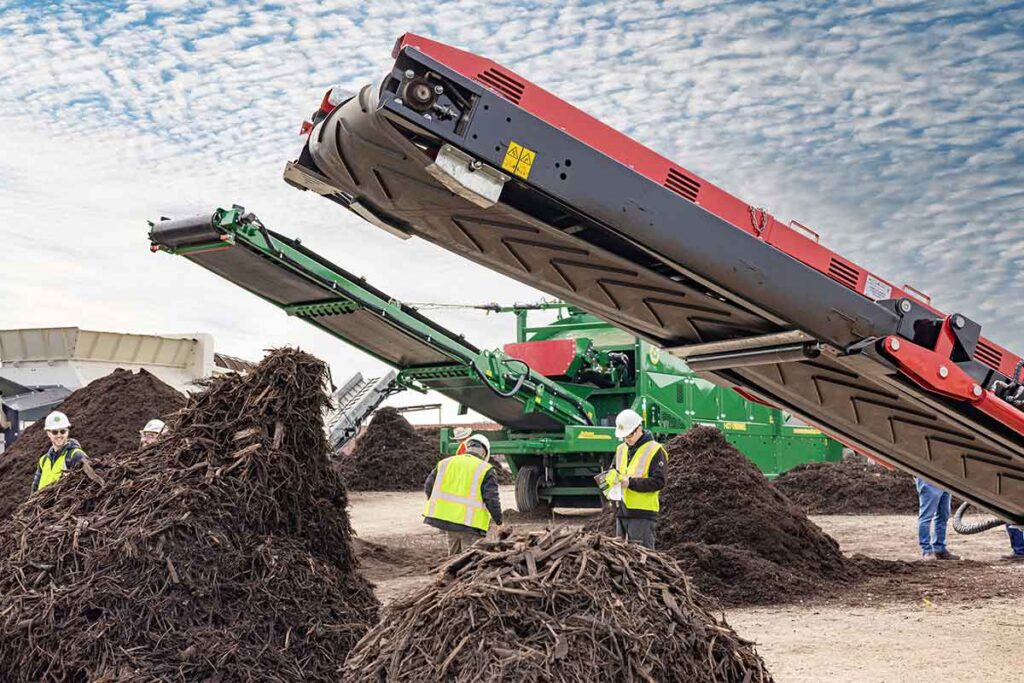
Compost is typically used as a soil amendment or a component in potting mixes to improve soil tilth and add nutrients where lawns and gardens need them most.
Compost improves soil health, which creates healthier growing plants. By using compost on lawns and landscapes, communities reduce waste, cut down on emissions and improve the health of the green space while minimizing the potential for soil erosion.
TDS sells its compost, soils, and mulches via its landscaping solution brand, Garden-Ville. Our products are lab tested and carry the United States Composting Council’s Seal of Testing Assurance (STA).
USCC Certification
Our company is one of the few compost and soil producers in Texas that go through the rigorous testing process of receiving STA (Seal of Testing Assurance) Certification, a product testing program from the United States Composting Council (USCC).
As an STA Certified provider, our products are regularly sampled and tested for their chemical, physical and biological components as well as for safety and environmental protection. We are always testing for pathogens and metals and analyzing feedstocks to verify the organic makeup.
With our STA Certification, you can trust you’re getting a superior organic product that is designed for maximum benefit for your lawn and garden.
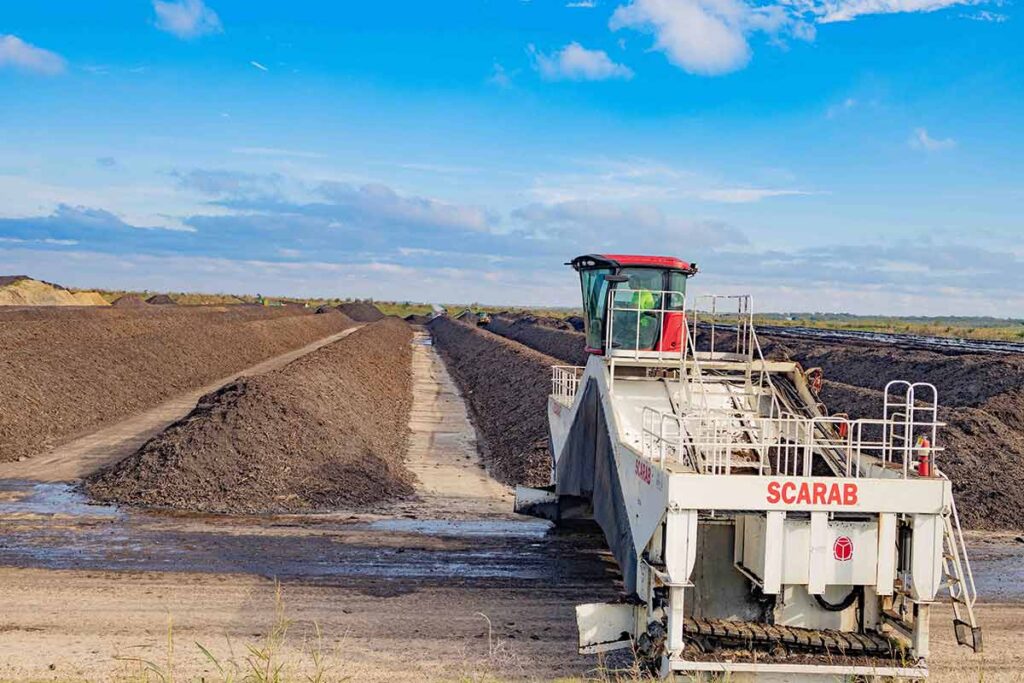
Types of Composting: Small and Large-Scale Composting Methods
What do you think when you hear “composting?” A pile of decomposing lawn clippings in a backyard? That thing that one friend you have keeps trying to get you to start? That weird, third bin next to the trash and recycling? In truth, all of those and more fall under the composting umbrella.
Composting has a long and diverse history, spanning back potentially as long as humans have run farms. There are plenty of benefits and basics to know about composting yourself, but to get the full picture you need to appreciate its full scope from the small, at-home projects to the large, full community operations.
Check out our blog and explore the different types of composting methods.