
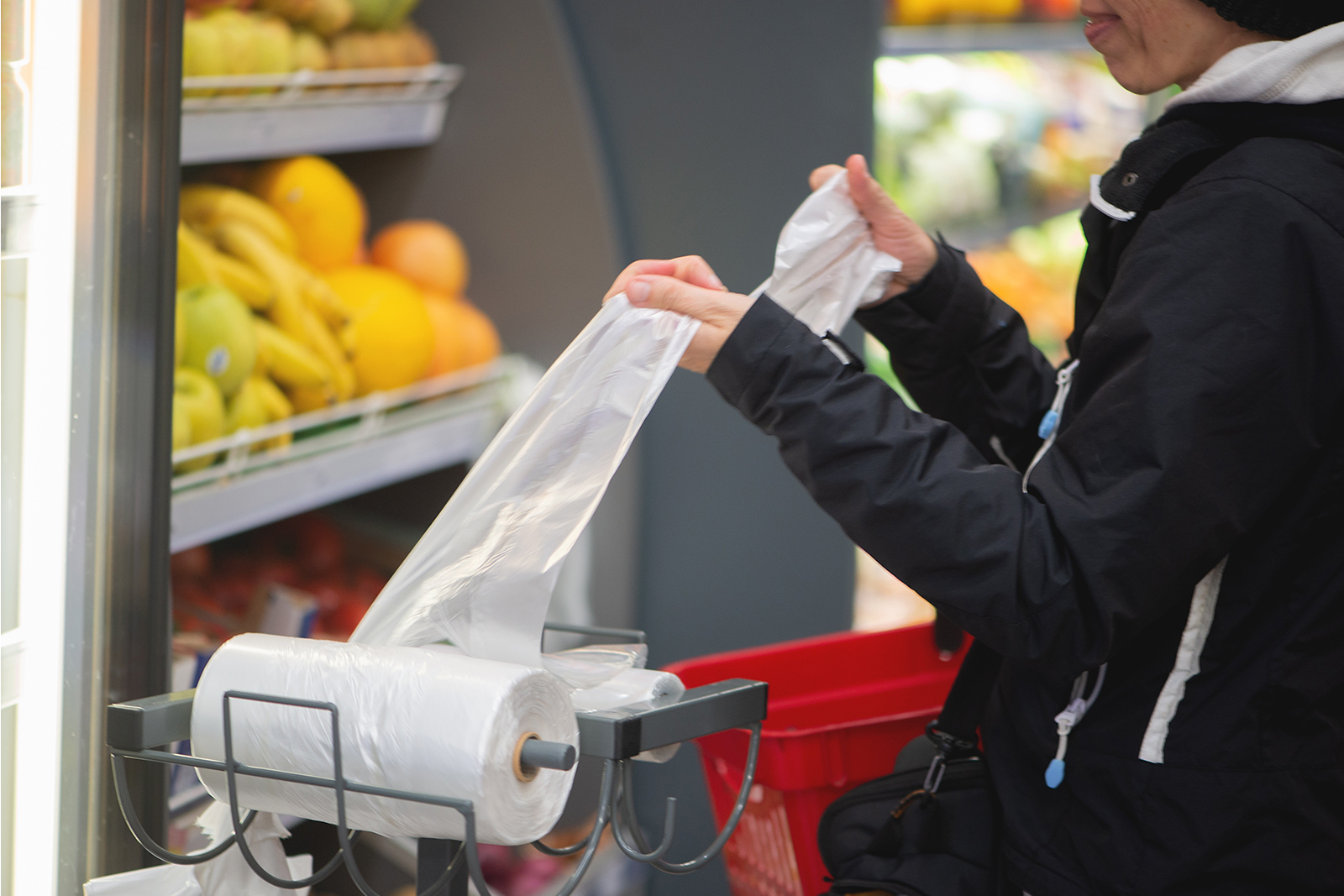
Plastic bags are a common contaminant we see in residential recycling carts. While they may seem recyclable, most curbside recycling programs, including ours, cannot accept plastic bags in standard recycling carts.
Why?
At our Materials Recovery Facility (MRF), we sort recyclables using specialized machines. Plastic bags are lightweight and flexible, which causes serious problems: they wrap around sorting equipment, jam screens, and get tangled in gears. This can lead to costly shutdowns, equipment damage, and contamination of other qualifying recyclable material. Even when placed in your cart with good intentions, plastic bags can slow the recycling process and reduce the efficiency of the MRF.
So What Should You Do With Plastic Bags?
The good news: many grocery retailers offer dedicated plastic bag recycling drop-offs. Stores like H-E-B accept clean, dry plastic bags and other plastic film materials for proper recycling.
Before dropping them off, make sure bags are free of food residue and receipts.
Environmental Concerns
Single-use plastic bags are used for minutes but can take decades to break down.
Because they are lightweight, they easily become litter, traveling into storm drains, waterways, and oceans. Wildlife can mistake them for food or become entangled in them. Over time, plastic bags break down into microplastics, but they do not truly biodegrade.
Reuse Before You Recycle
If you already have plastic bags at home, you can give them a second life before recycling:
- Use as small trash can liners
- Turn them into pet waste pickup bags
- Keep in your car for quick cleanups
- Carry wet clothes, shoes, or gym gear while traveling
- Protect items during shipping (padding or wrapping)
- Try a DIY project like braided mats or “plarn” (plastic yarn). You can find creative tutorials on YouTube and other social platforms.
Reusing helps extend the life of the material before disposal and reduces strain recycling processing equipment.
Why Choose Reusable Grocery Bags
One reusable bag used consistently can replace hundreds of single-use plastic bags each year. Making the switch:
- Reduces demand for single-use plastics
- Prevents litter in our communities
- Keeps recycling streams cleaner by reducing contamination
- Encourages more mindful shopping habits
Small changes make a big impact. Small changes make a big impact. By keeping plastic bags out of your recycling cart, repurposing them for pet waste or other uses, and choosing reusable options when possible, you’re helping reduce litter, protect wildlife, and support a more sustainable environment.