
If you’ve driven down Interstate 35 in the last few months, you can see how much growth is happening between Austin, TX and San Antonio, TX. With all that new construction and new projects happening every day, the opportunity for more waste diversion is at an all-time high. Efficient management of construction and demolition (C&D) materials can make a meaningful difference in project costs and environmental outcomes. From small home renovations to large commercial developments, effective waste diversion supports sustainability goals, ensures compliance with local ordinances, and reduces the volume of material sent to landfills.
This guide outlines how construction and demolition recycling works, the benefits of sustainable building practices, and strategies for creating cost-effective waste management plans that meet both environmental and project objectives.
Construction & Demolition – Sustainable Construction Practices
Sustainability has become an essential focus across the construction industry as builders, contractors, and developers look for ways to minimize waste and extend the life cycle of valuable materials. Integrating sustainable practices into project planning helps conserve resources, reduce landfill impact, and improve long-term operational efficiency.
With proper planning and sorting systems, construction teams can:
- Divert a significant portion of project waste from landfills
- Meet local ordinance and certification requirements such as Austin’s C&D Recycling Ordinance and LEED building designations
- Improve workflow and job site efficiency through better waste organization and recycling
- Strengthen their company’s reputation for environmental stewardship
Key Environmental Improvements and Benefits
Higher Diversion Rates
Advancements in automated sorting technology enable higher recovery rates of recyclable materials, reducing the volume of debris that ends up in the landfill.
Lower Greenhouse Gas Emissions
Processing C&D materials within a single integrated site that includes landfill, composting, and recycling operations helps limit transportation needs and lowers emissions from hauling materials between multiple locations.
Resource Recovery and Product Creation
Recovered materials such as concrete, wood, metal, and cardboard are reintroduced into the marketplace as sustainable products. For example, processed concrete can serve as aggregate for road base, while recovered wood can be converted into mulch that supports soil health and decreases demand for new raw materials.
C&D Regional Capacity Building
Facilities designed to handle C&D material from multiple providers expand regional recycling capacity, improve diversion rates, and strengthen community sustainability initiatives.
Source Separation and Recycling
Proper sorting of construction and demolition materials is one of the most effective ways to increase diversion rates and maintain compliance with local regulations. Source separation can take place directly on job sites or at specialized recycling facilities that process construction materials.
Training and education are key to successful sorting practices. When project teams understand which materials can be recycled and how to keep them clean and separate, recycling outcomes improve significantly. These efforts also help meet local ordinance requirements and sustainability certification standards.
The Construction and Demolition Waste Materials Recovery Facility (MRF)
The Construction and Demolition Waste Materials Recovery Facility (MRF) in Creedmoor, Texas, was developed to meet the growing need for sustainable waste management solutions in Central Texas. It is the only facility in the region capable of processing a wide range of materials, including:
- Concrete
- Aggregates
- Untreated wood waste
- Cardboard
- Plastic
- Metal
Using data tools such as EcoVisor, customers can access detailed sustainability reports and diversion data that provide transparency and accountability. With the capacity to process 25 to 50 tons of material per hour, the MRF can divert up to 70 percent of construction debris from the landfill, surpassing Austin’s 50 percent requirement under the Construction and Demolition Recycling Ordinance.
Roll-Off Dumpsters
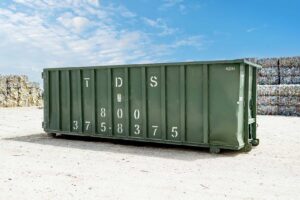
Roll off dumpsters are available in a variety of sizes to support projects of all scopes. Scheduling containers in advance helps maintain clean, organized, and compliant job sites throughout each phase of construction.
Building a More Sustainable Future
Responsible management of construction and demolition materials keeps valuable resources in circulation and reduces the environmental footprint of building projects. As more builders adopt sustainable practices, Central Texas continues to progress toward a cleaner and more resource-conscious future.
To learn more about recycling options in the region or to discuss project-specific waste management solutions, call (512) 329-1701.