One man’s trash is another man’s…. explosive, fire-causing, lethal hazard?! Not all waste that reaches its end of life cycle can be easily directed into your trash or recycling cart. Certain items, materials, and substances can be hazardous if not properly disposed of — resulting in fires, explosions, or even fatalities.
At TDS, protecting the safety of the men and women that directly handle waste received at our facilities is our top priority. Take a look at some of the most common “hard-to-handle” waste items thrown away that lead to explosive problems down the line.
- Rechargeable Lithium-Ion Batteries (LIBs)
These culprits are the largest offenders resulting in explosions and fires. Mainly because they are hidden away in so many of our everyday items. Rechargeable batteries are also known as ‘zombie batteries’ for two reasons. One, they can be recharged to power up and live on again. Two, if LIBs are damaged (even dead ones) they can resurrect resulting in fires or explosions. In 2016, a LIB caused a gigantic fire at a recycling facility in Plano, TX which closed the site and hindered recycling services for several months. More recently in 2022, a cell phone LIB caused a recycling facility fire in Taylor, TX.
Some of these items include:
- Electronics (like laptops, tablets, cameras, and cell phones)
- Power tool batteries
- E-Cigarettes and vape pens
- Car batteries
- Electric toothbrushes
- Hobby toy batteries (RC cars, planes, and drones)
- Flammable and Combustible Liquids
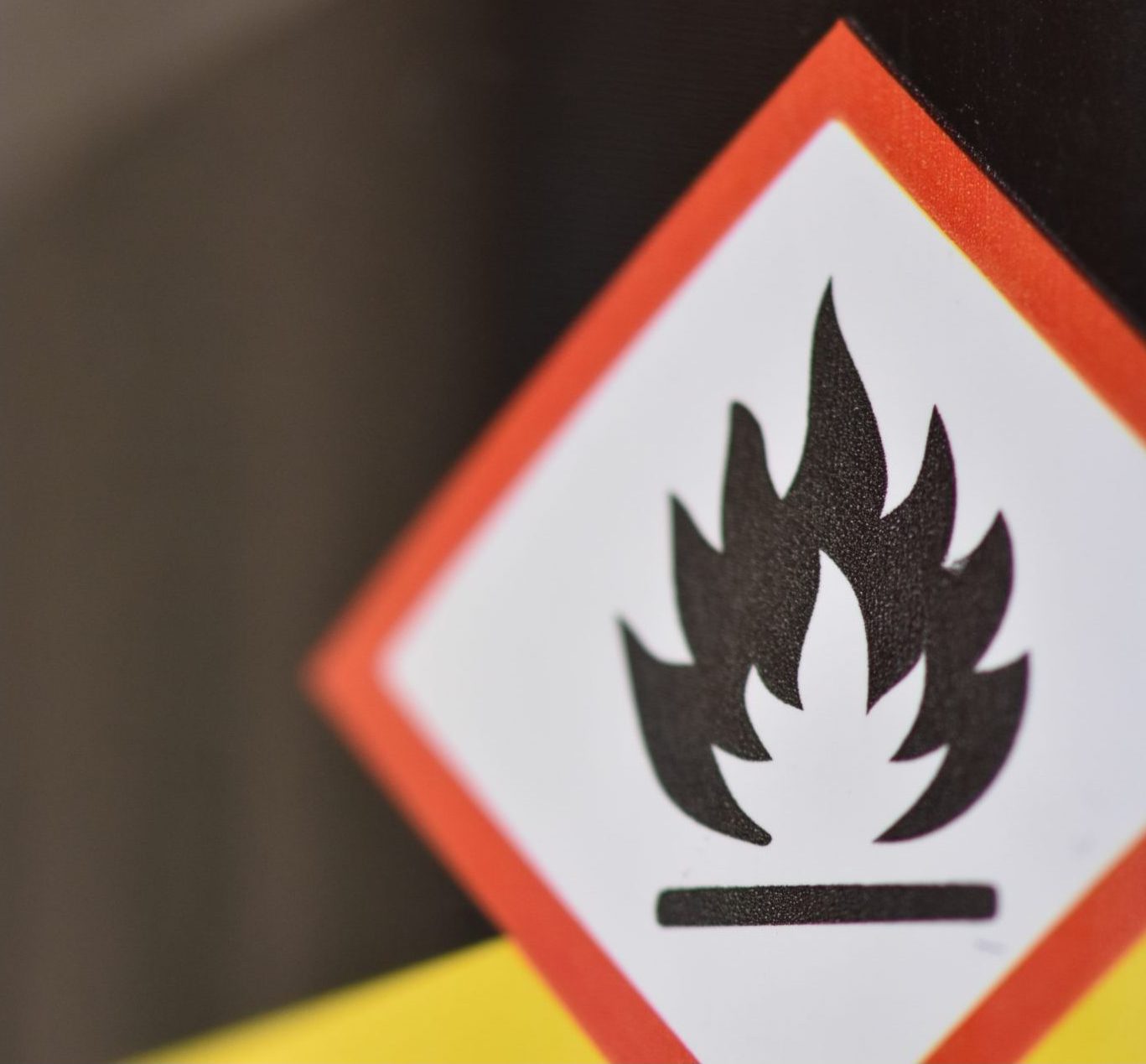
Things can really heat up when pouring gasoline on the fire. This holds true for both arguments and combustible liquids! Volatile liquids can act as both points of ignition or accelerants. Gaseous fumes can build up inside containers, and when compacted in garbage trucks or processing facilities, excess pressure or heat can lead to an explosion or fire. Alternatively, if a fire or explosion occurs outside the liquid, but reaches its container, a chain reaction could occur helping accelerate the damage. Take precautions when disposing of the flammable or combustible liquid containers. Even empty, unwashed containers might have liquid residuals that can cause problems.
Some of these liquids include:
- Gasoline
- Oil-based paints
- Kerosene
- Motor oil
- Certain paints
- Household Chemicals
Much like the flammable and combustible liquids, household chemicals can result in fires or explosions – especially when containers are crushed and chemicals leak or mix. The rule of thumb is if you wouldn’t touch the chemical with your bare thumb without a glove, that household chemical could cause problems if disposed of improperly. And just like the flammable and combustible liquids, empty and unwashed containers can be problematic during processing.
Some common chemicals include:
- Bleach
- Ammonia
- Pool chemicals
- Paint thinner and strippers
- Solvents and polish removers
- Certain fertilizers and pesticides
- Compressed Gas Cylinders and Cans
Have you seen a YouTube video of someone shooting a spray can or propane tank causing a huge explosion? That’s what we consider improper disposal and do not recommend. Items in this category are usually highly pressurized and can result in dangerous explosions. To help remember proper disposal, think “take the tank, don’t toss the tank.” Metal tanks should never go into your trash or recycle cart.
Some of these items include:
- Gas grill tanks
- Camping stove canisters
- Large industrial cylinders
- Compressed aerosol cans (cleaners, yard control, spray paint, etc…)
- Energetic Hazardous Wastes
The EPA defines Energetic Hazardous Waste (EHW) as “waste [with] the potential to detonate and bulk military propellants which cannot safely be disposed of through other modes of treatment.” Basically, EHW includes most items or products that are designed to explode or ignite. This type of waste definitively never belongs in your home waste carts!
These explosive items include:
- Munitions and firearm ammo
- Consumer and commercial fireworks
- Marine, roadside and signal flares
- Hobby rocket propellants
- Automobile airbag propellants
Check out our blog “How to Properly Dispose of Hazardous Waste” for specific tips on proper disposal. Many of the items in question have manufacturer disposal instructions online, or a customer care team to answer your questions. Keep in mind if you’re ever in doubt, don’t throw it out – explosions and fire could be dire.